

Get creative and stay on top of your performance goals with these puddings which can easily be substituted with seasonal…
Snacks Read More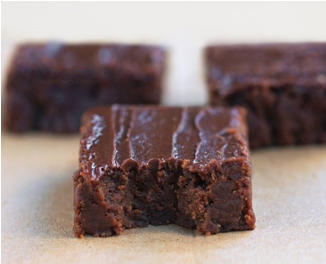
These vegan brownies will have you coming back for more, and more and more! Sweet potato adds to the gooey…
Snacks Read More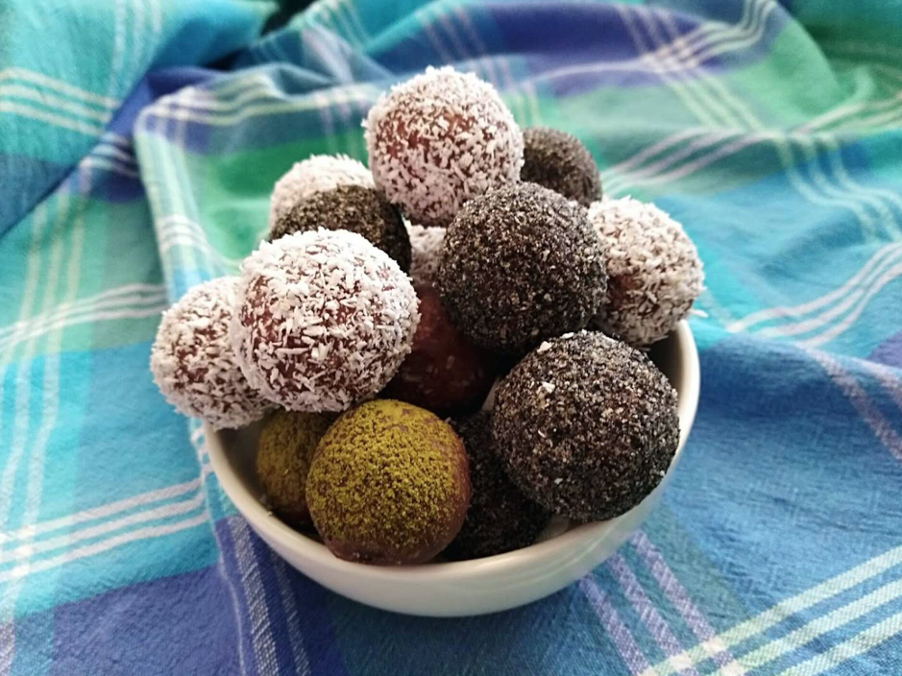
Red bean paste is commonly used in Asian cultures. It has a mild taste and is supercharged with protein –…
Snacks Read More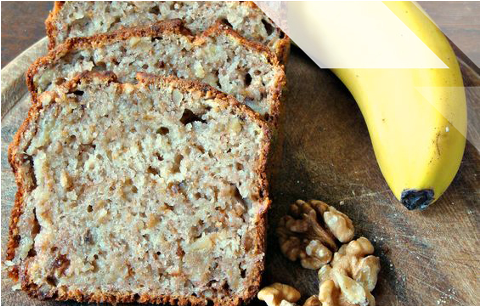
This banana loaf is packed full of nuts and dark chocolate as well as omega-6 and antioxidants to assist with…
Snacks Read More
Who said mocktails were no fun? Try these cocktails using kombucha for a gut-loving drink! Download the recipe below.
Snacks Read More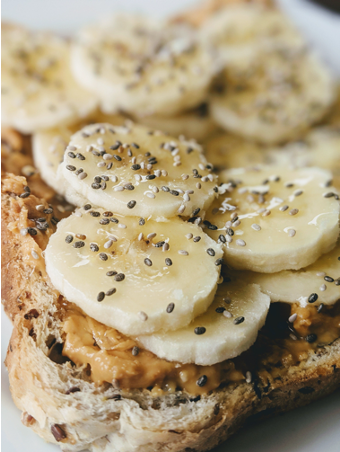
Your gut bugs will love this toast topper, rich in whole grain and dietary fibre to keep you full and…
Snacks Read More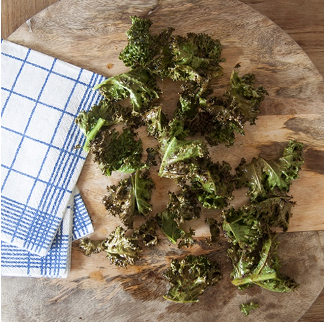
If you enjoy food that provides ‘crunch’, boost your veggie intake with these easy and crunchy kale chips! Download the…
Snacks Read More
Pack a punch with these energy dense balls! A great addition with a piece of fruit to fuel those high…
Snacks Read More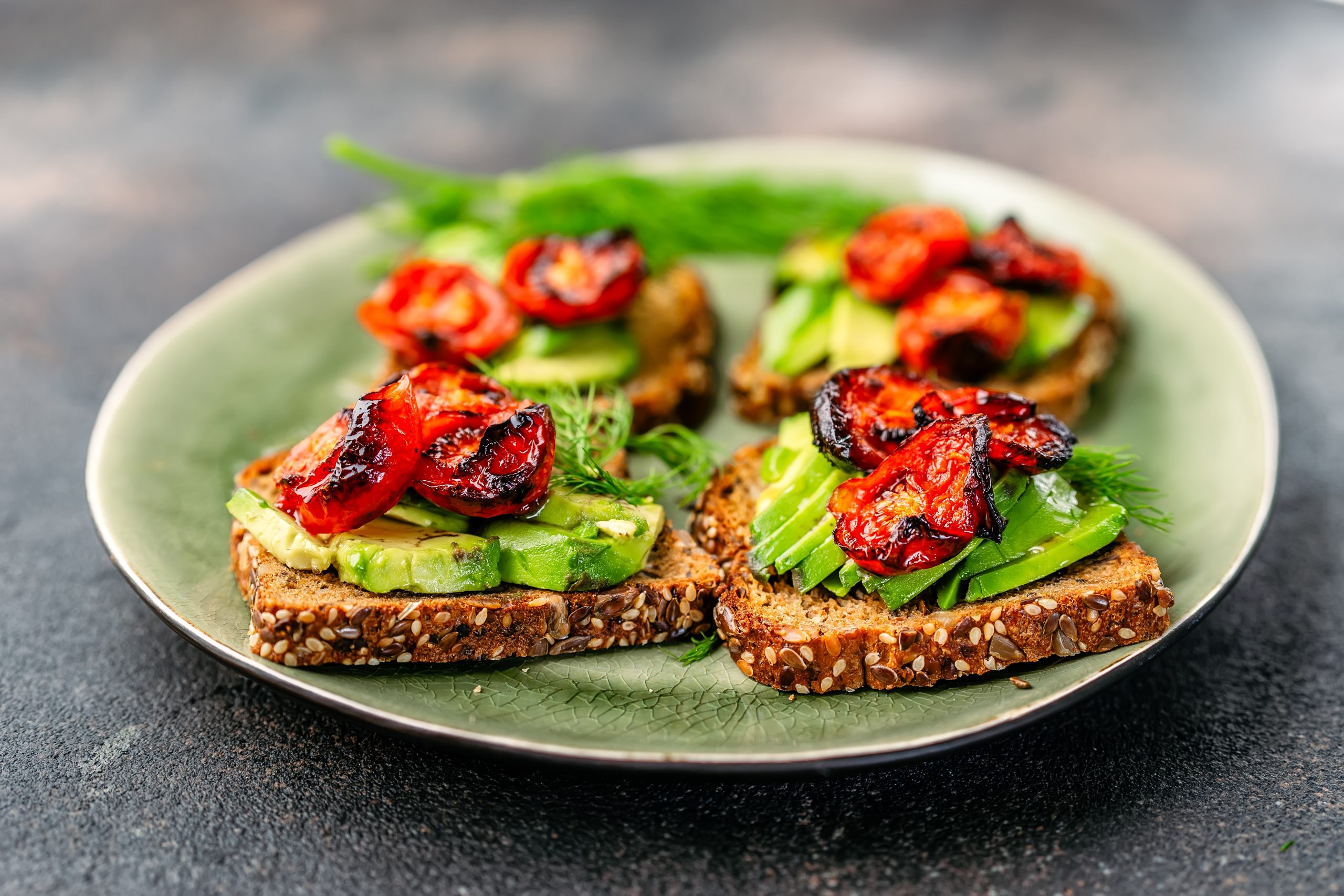
Smashed avocado is certainly one of the meals of the century, why not mix it up with this protein packed…
Snacks Read More
Refresh your body with these delicious zingy coconut lime balls, a source of carbohydrates before a big training session! Download…
Snacks Read More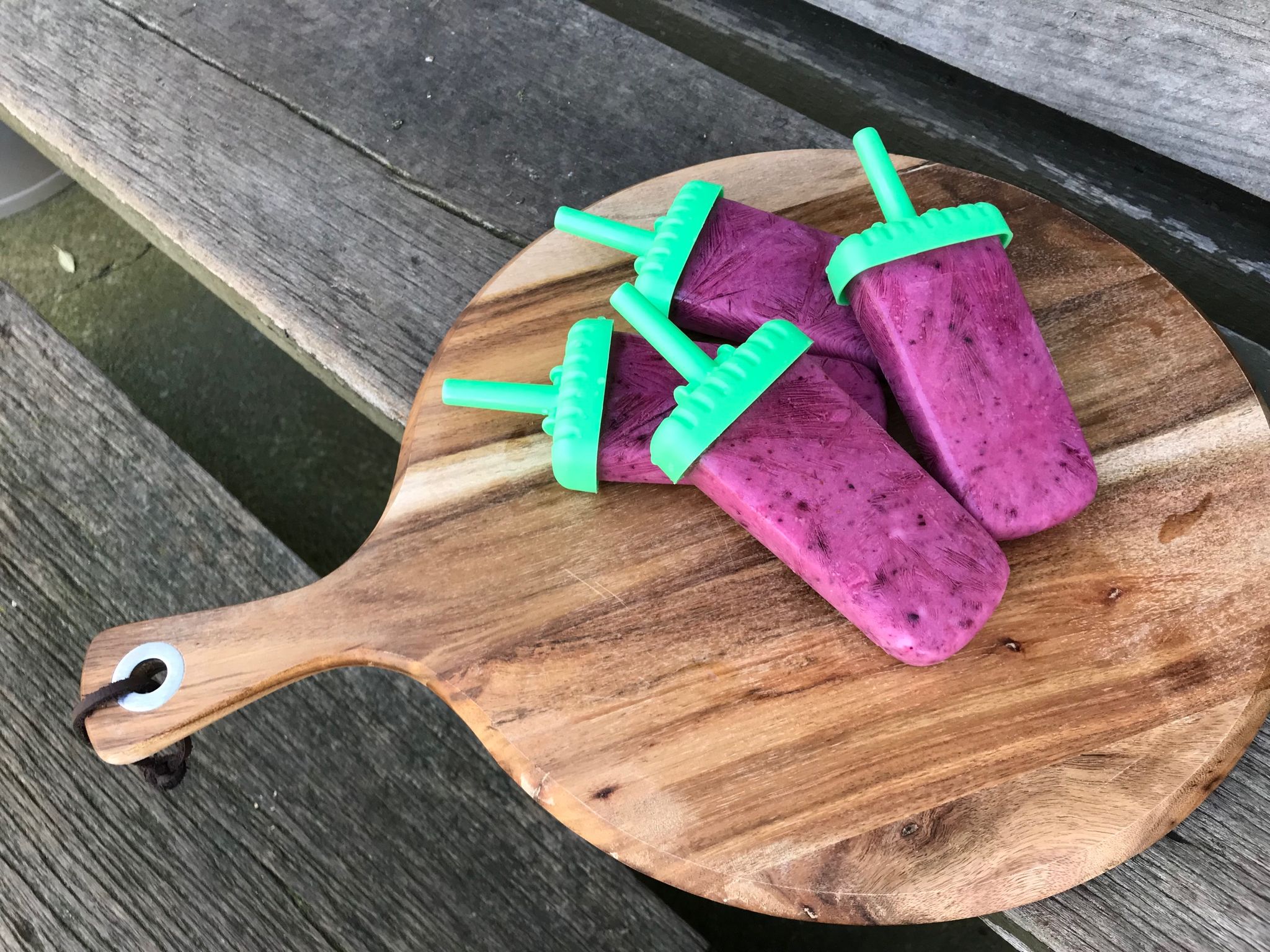
These icy poles are a great dessert alternative during the summer months! Packed full of protein to keep you on…
Snacks Read More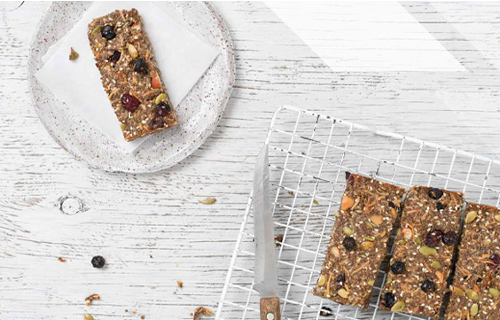
Instead of buying muesli bars, why not try making them yourself! These muesli bars are packed with nuts and seeds…
Snacks Read More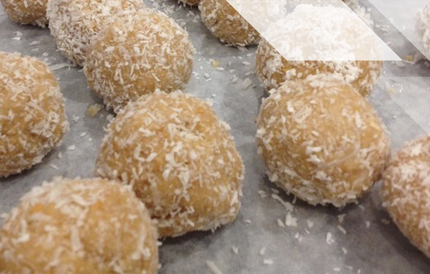
Ahhh bliss balls – the cult favourite! Switch up your classic bliss balls for these cashew and oat balls that…
Snacks Read More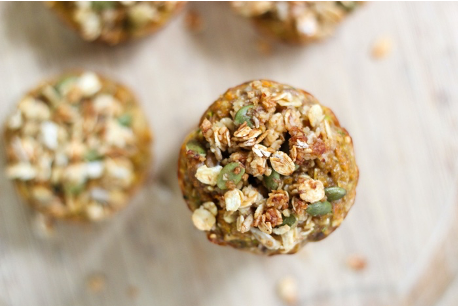
Energise your taste buds with this modern twist on classic carrot cake with these quick and easy muffins – a…
Snacks Read More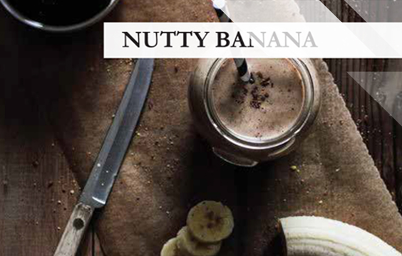
Fancy a snickers? Why not try this nutty banana smoothie as a more nutritious pre-training or recovery snack! Download the…
Snacks Read More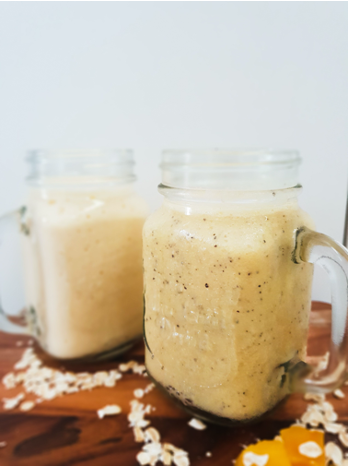
Combine two breakfast favourites in this perfect summer smoothie – rich in protein and fibre to keep you full for…
Snacks Read More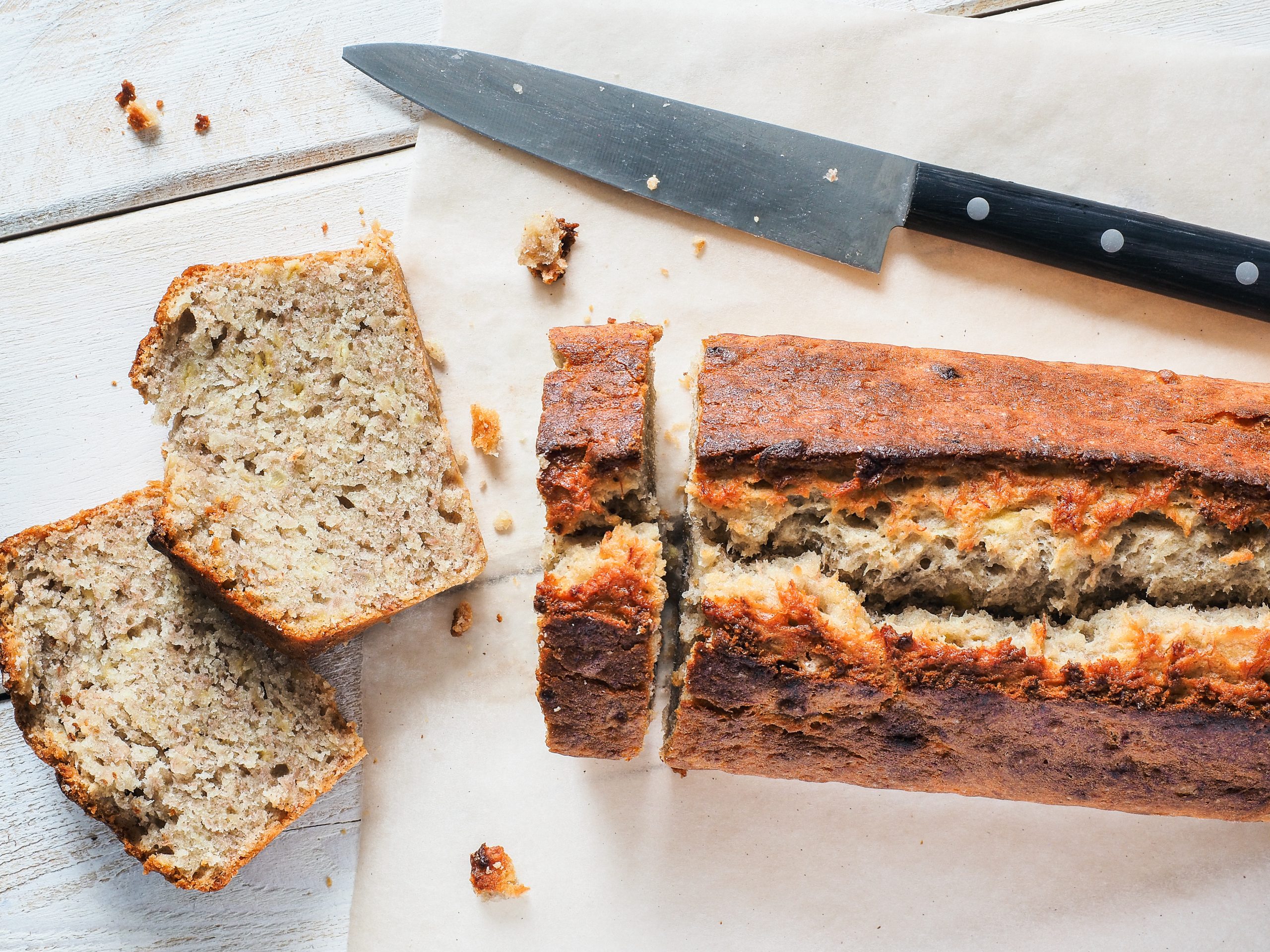
Use up those oozy brown bananas hanging limp around your kitchen and turn them into this amazing banana bread! Perfect…
Snacks Read More
These icy poles are full of protein are a great way to cool the body down and get in those…
Snacks Read More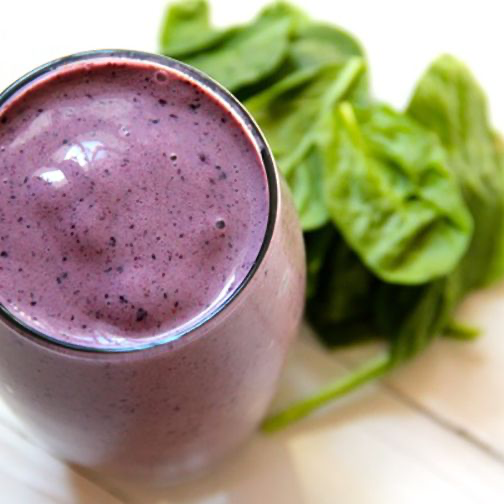
Boost your veggie intake with this berry smoothie and its hidden greens! Packed full of antioxidants and fibre, this is…
Snacks Read More
This fruity smoothie is a great way to get some pre-workout fuel without the sluggish feeling – get ready and…
Snacks Read More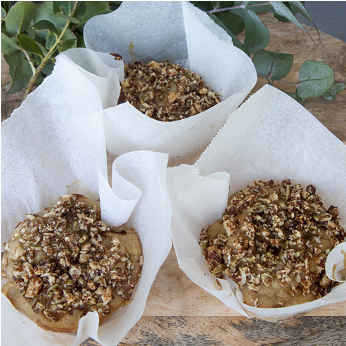
Switch up the classic banana porridge for these delicious banana and oat crumble muffins! Full of carbohydrate and protein for…
Snacks Read More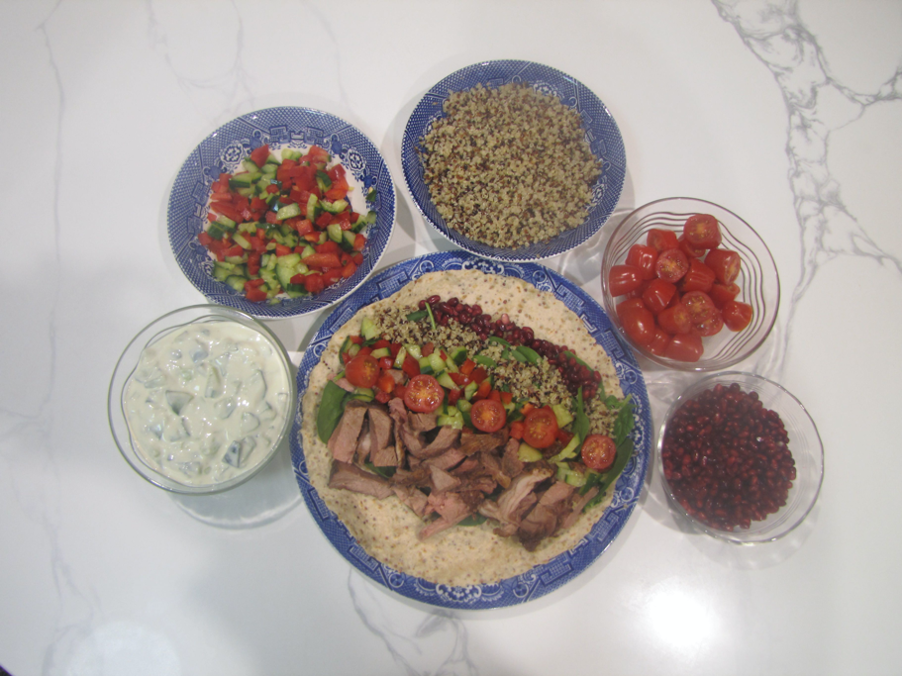
A sensational recovery meal with all of the nutritional variety and goodness sits right here! This recipe ticks all of…
Dinner Recipes Read More
Depending on your athletic goals, evaporated milk or Greek yoghurt is great alternative to change the total fat or energy…
Dinner Recipes Read More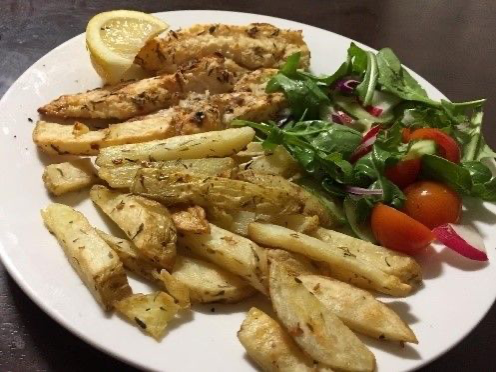
If you’re looking for a healthy home – made and protein rich, fast food alternative, these fish and chips are…
Dinner Recipes Read More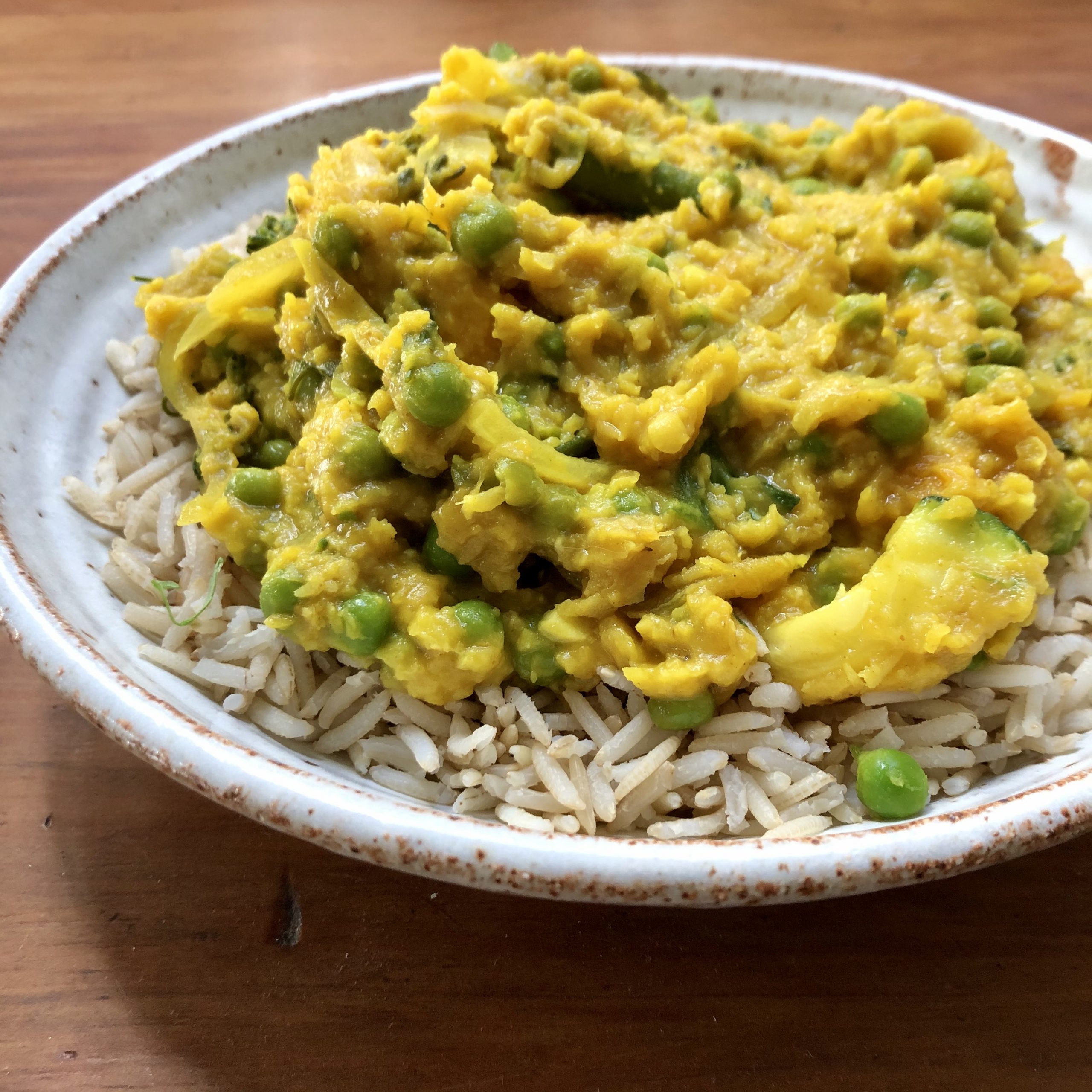
This dahl is packed with plant-based protein, iron, and zinc, and is perfect for those on plant-based diets or anyone…
Dinner Recipes Read More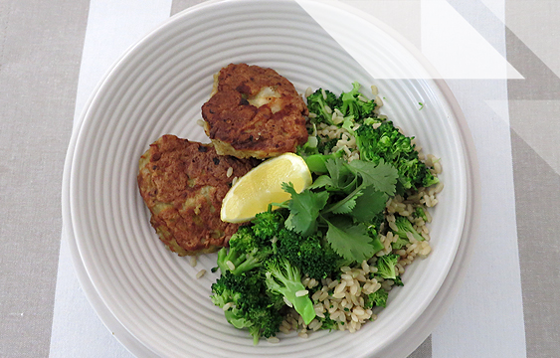
Fancy more flavour from your fish? Well, feasting on these fabulous thai fish cakes will leave you satisfied and with…
Dinner Recipes Read More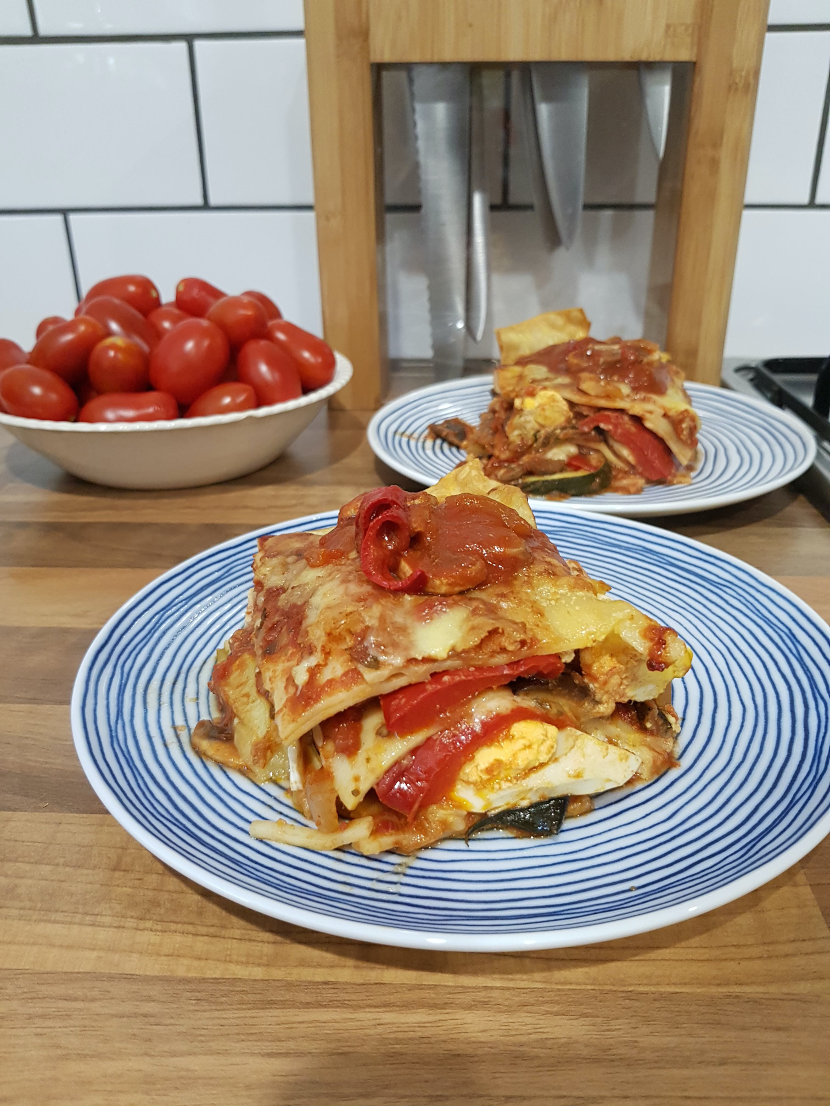
To support different dietary preferences, this meatless lasagne is sure to impress the non – meat eaters that may join…
Dinner Recipes Read More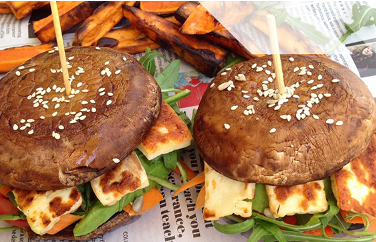
Get the kids involved in creating these nutritious burgers. Download the recipe below.
Dinner Recipes Read More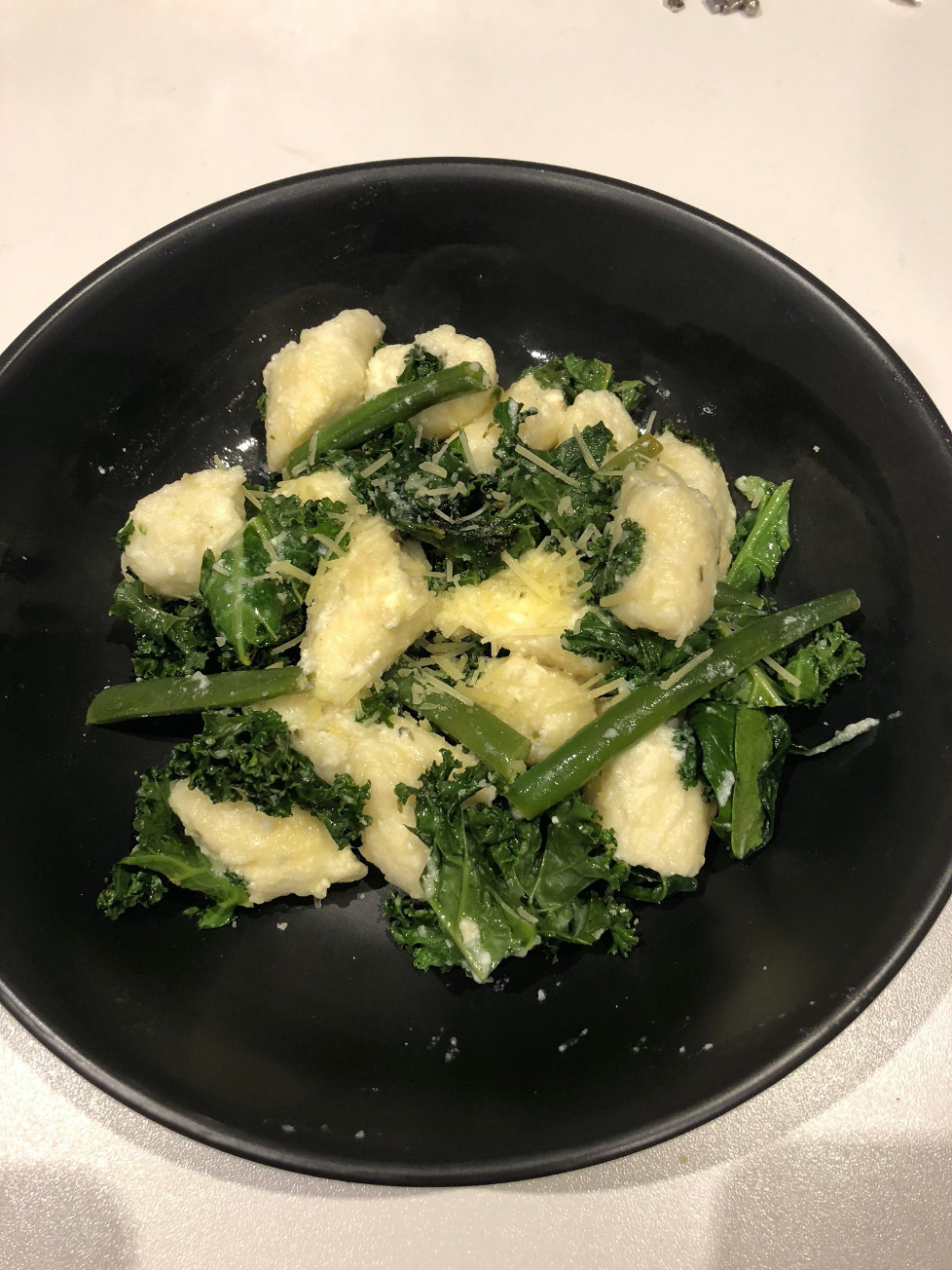
Spring into your kitchen and whip up this creamy and calcium rich home – made gnocchi. Delicious in any season!…
Dinner Recipes Read More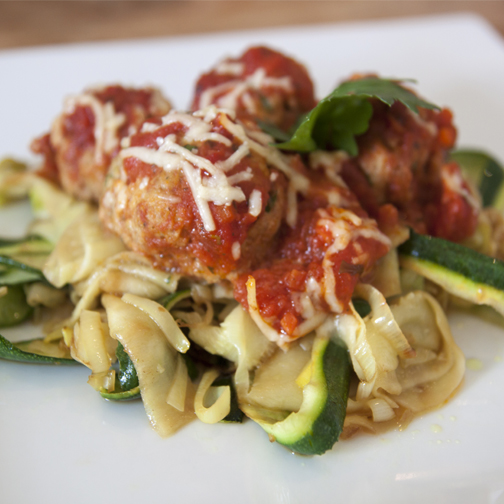
How about that, a grated apple in your meatballs? Try it, taste it and believe it! This recipe is also…
Dinner Recipes Read More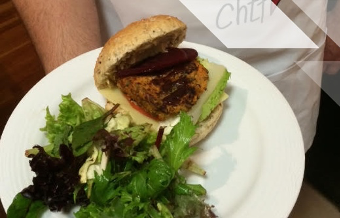
How good are homemade burgers? This is a delicious alternative if you’re out of meat or fish. You could even…
Dinner Recipes Read More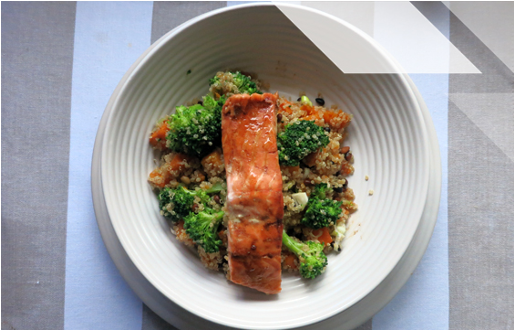
Salmon is a perfect post-exercise recovery meal, packed with high quality protein and a source of carbohydrates when paired with…
Dinner Recipes Read More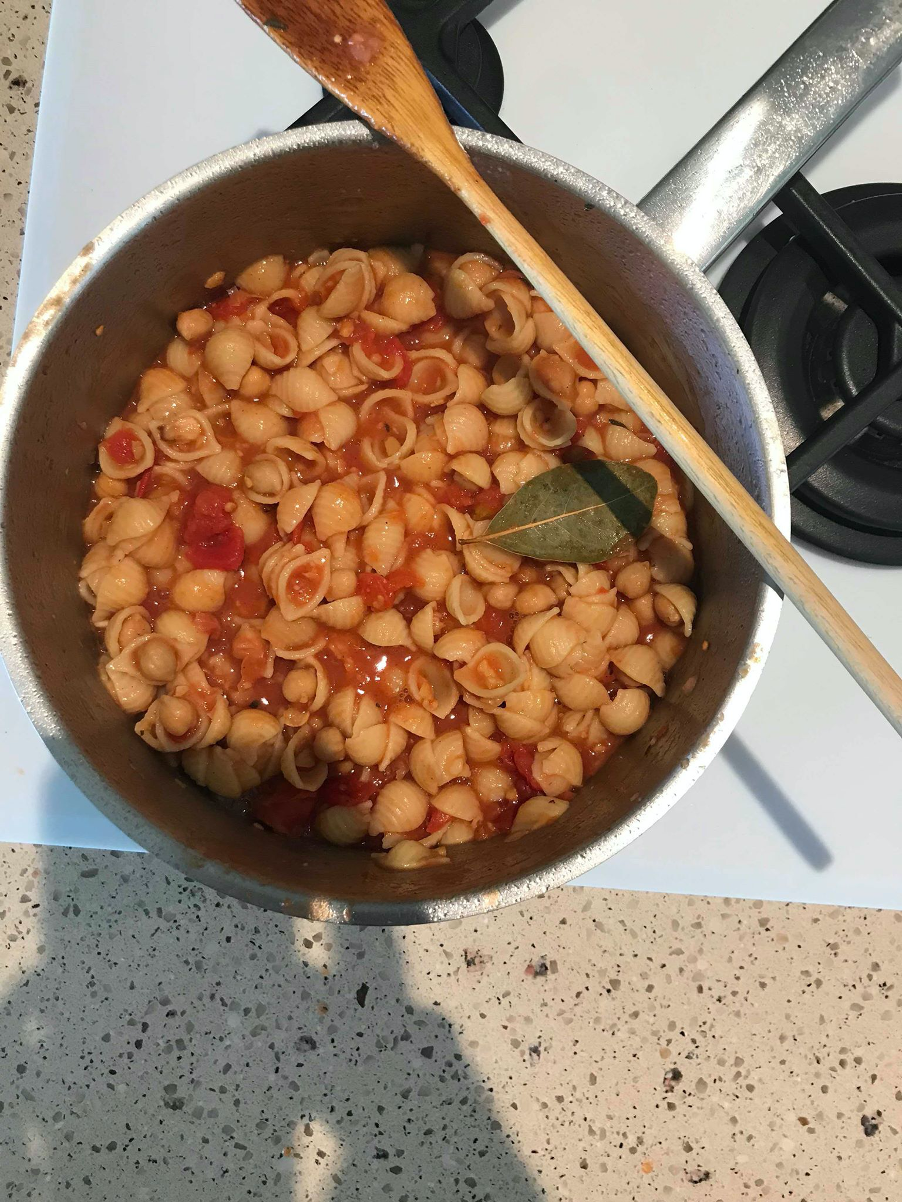
Fuel up for those big winter sports with this carbohydrate packed pasta, perfect to boost those glycogen stores the night…
Dinner Recipes Read More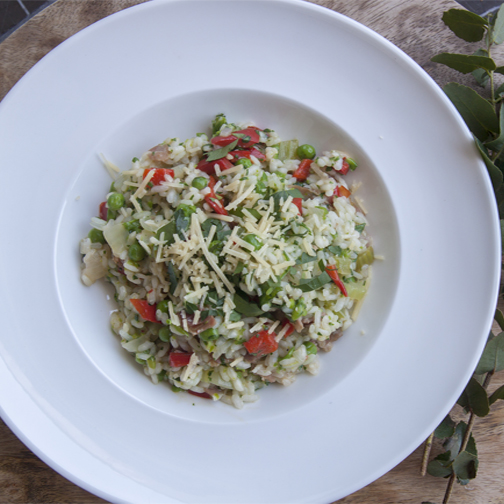
Fancy a quality risotto but don’t want to spend hours slaving away over the stove? Check out this quick and…
Dinner Recipes Read More
Ease those winter blues with these heart-warming beef pies the whole family is sure to love. Download the recipe below.
Dinner Recipes Read More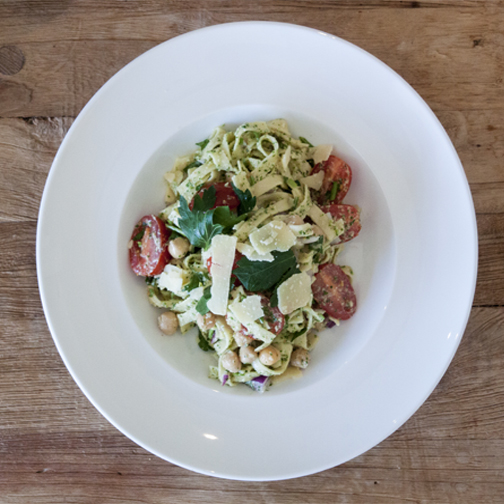
Redefine your cooking skills with this pasta dish and its own homemade kale pesto. An easy opportunity to sneak another…
Dinner Recipes Read More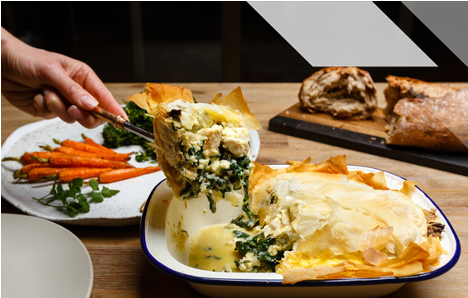
Save time during the week by preparing these pies earlier and cooking on the day. Stay satisfied even when you…
Dinner Recipes Read More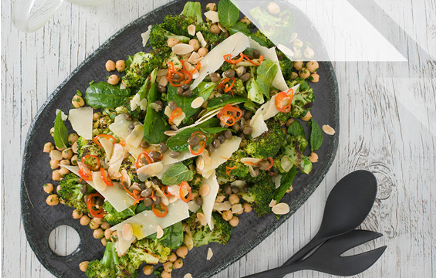
Dial up your salad game with this quick and protein loaded broccoli salad which will have your dinner guests wanting…
Dinner Recipes Read More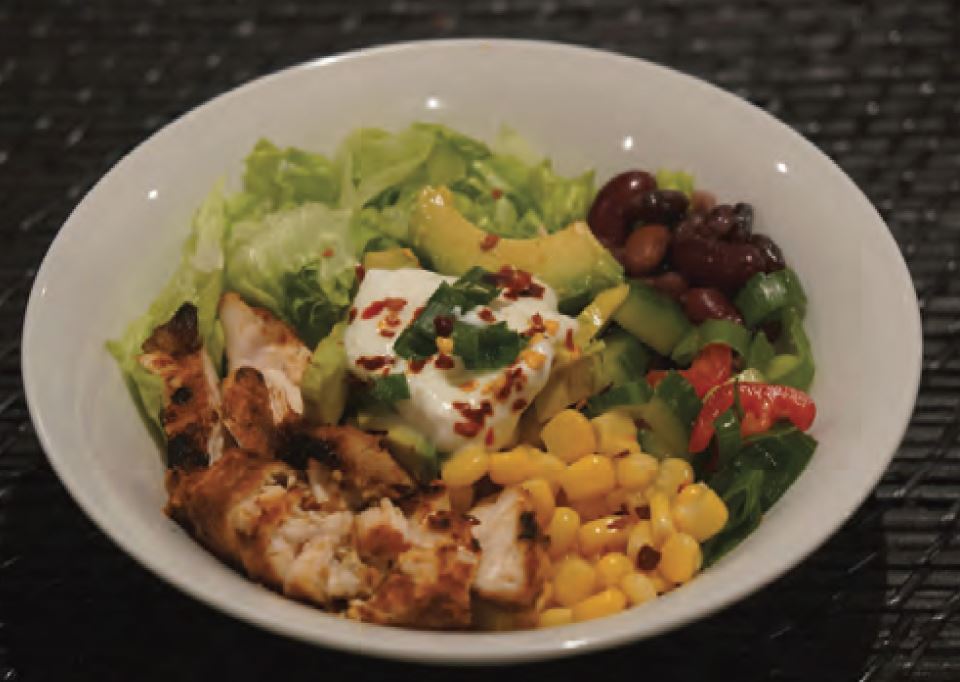
Much loved cousin of Taco Tuesday, Fiesta Friday is set to be a winner with these Mexican inspired burrito wraps/bowls…
Dinner Recipes Read More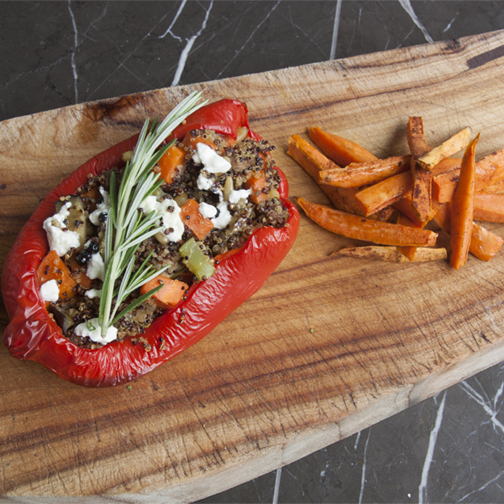
Spice up your vegetable intake with these delicious stuffed capsicums! Perfect for meat free Mondays or vegetarian athletes. Download the…
Dinner Recipes Read More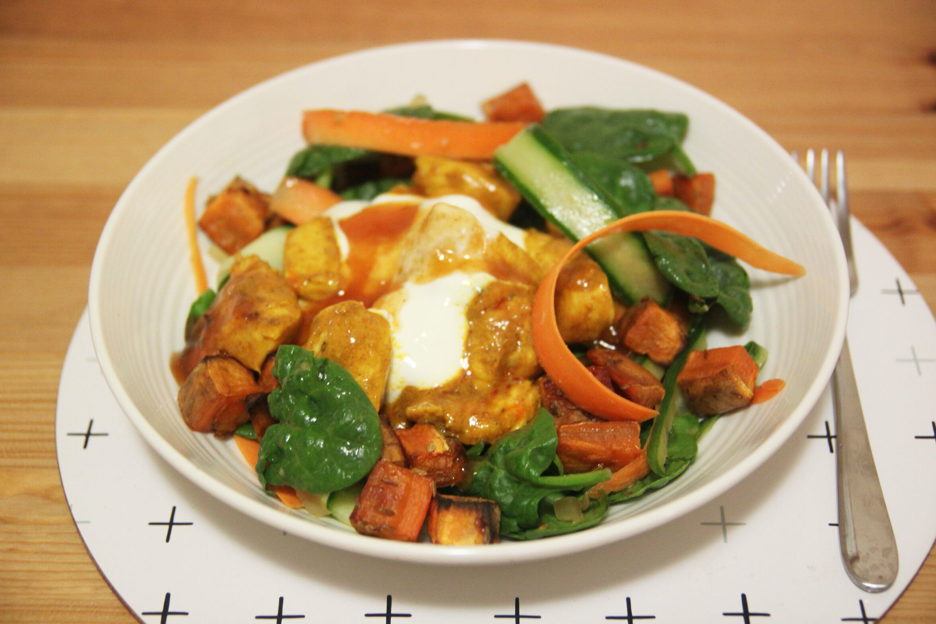
Looking for some extra flavour? This chicken tikka salad is tasty and nutrient rich. Try Greek yoghurt as a healthy…
Lunch Recipes Read More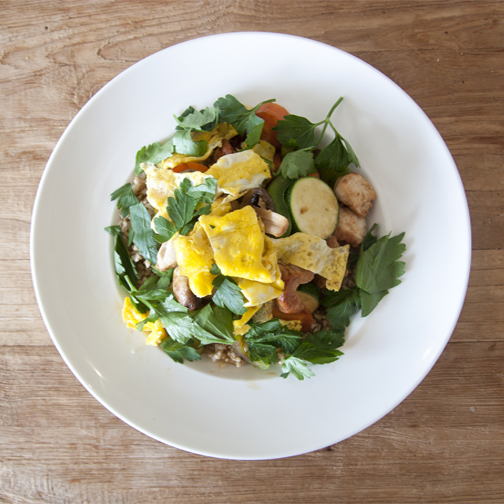
This recipe is a well – balanced stir-fry that can be created with anything sitting in your fridge! It’s an…
Lunch Recipes Read More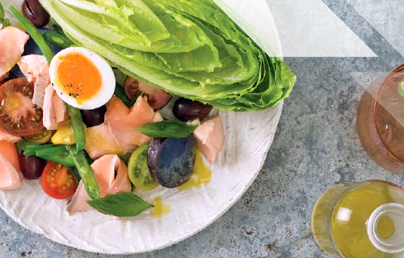
Do you eat much fish? Omega-3s play a valuable role in our health and well – being. Salmon is also…
Lunch Recipes Read More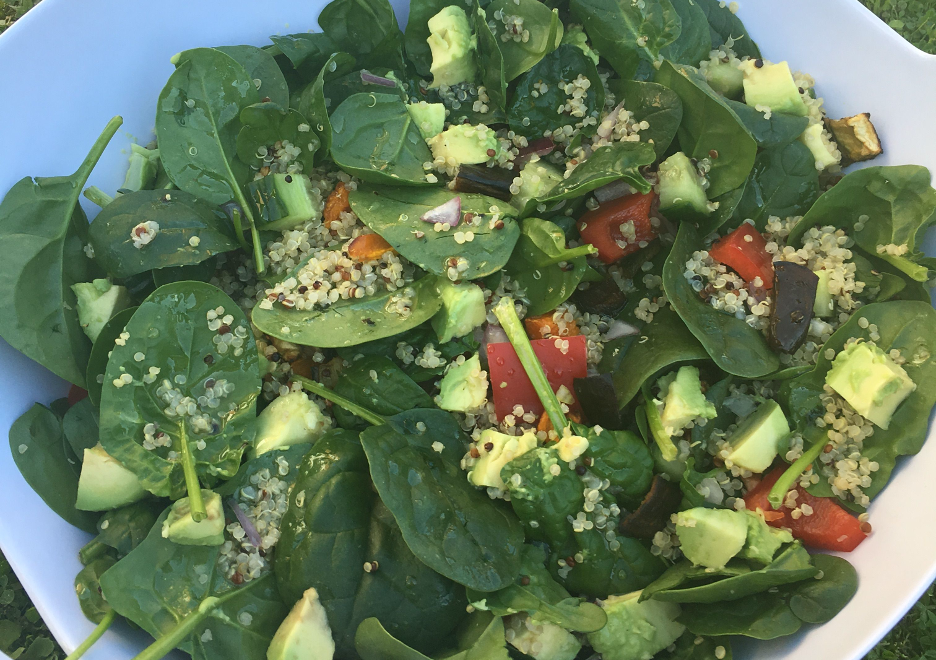
Bulk up your simple salads with starchy veggies and grains to increase the carbohydrate content of your lunch – your…
Lunch Recipes Read More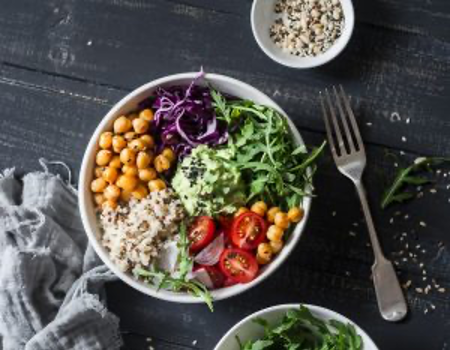
Goodness bowls are another way to get a variety of beneficial ingredients including veggies into your daily intake. Mix and…
Lunch Recipes Read More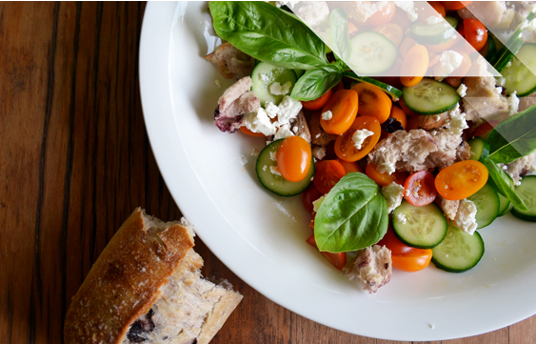
A delicious and flavoursome combination exists within this sourdough salad – perfect for spring or summer and to increase the…
Lunch Recipes Read More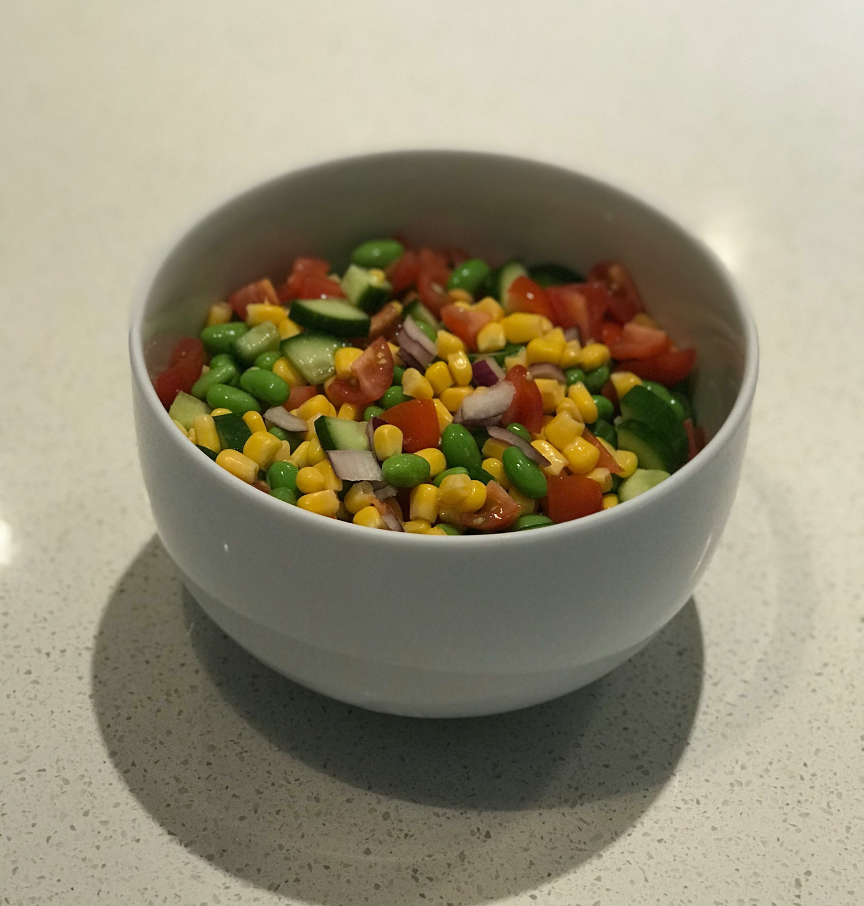
Edamame beans are a great plant-based protein – add this colourful mix to your next meal! Download the recipe below.
Lunch Recipes Read More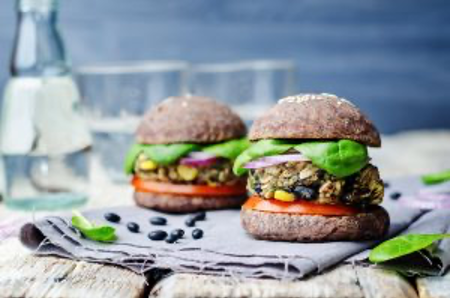
Support your gut health with these carbohydrate and veggie rich burgers – they are a great substitute for fast –…
Lunch Recipes Read More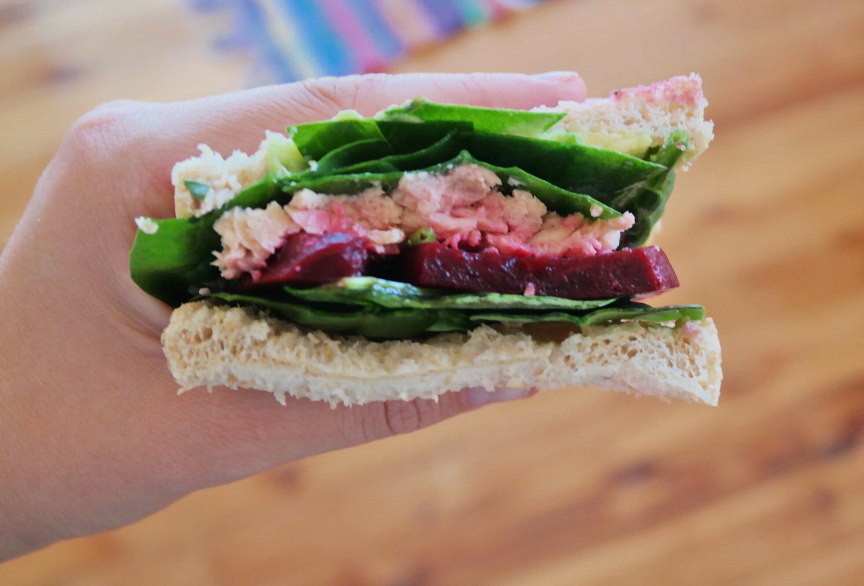
Bring back the sandwich, delightfully easy, tasty and nutritious! Sandwiches are great ways to introduce different fillings and can help…
Lunch Recipes Read More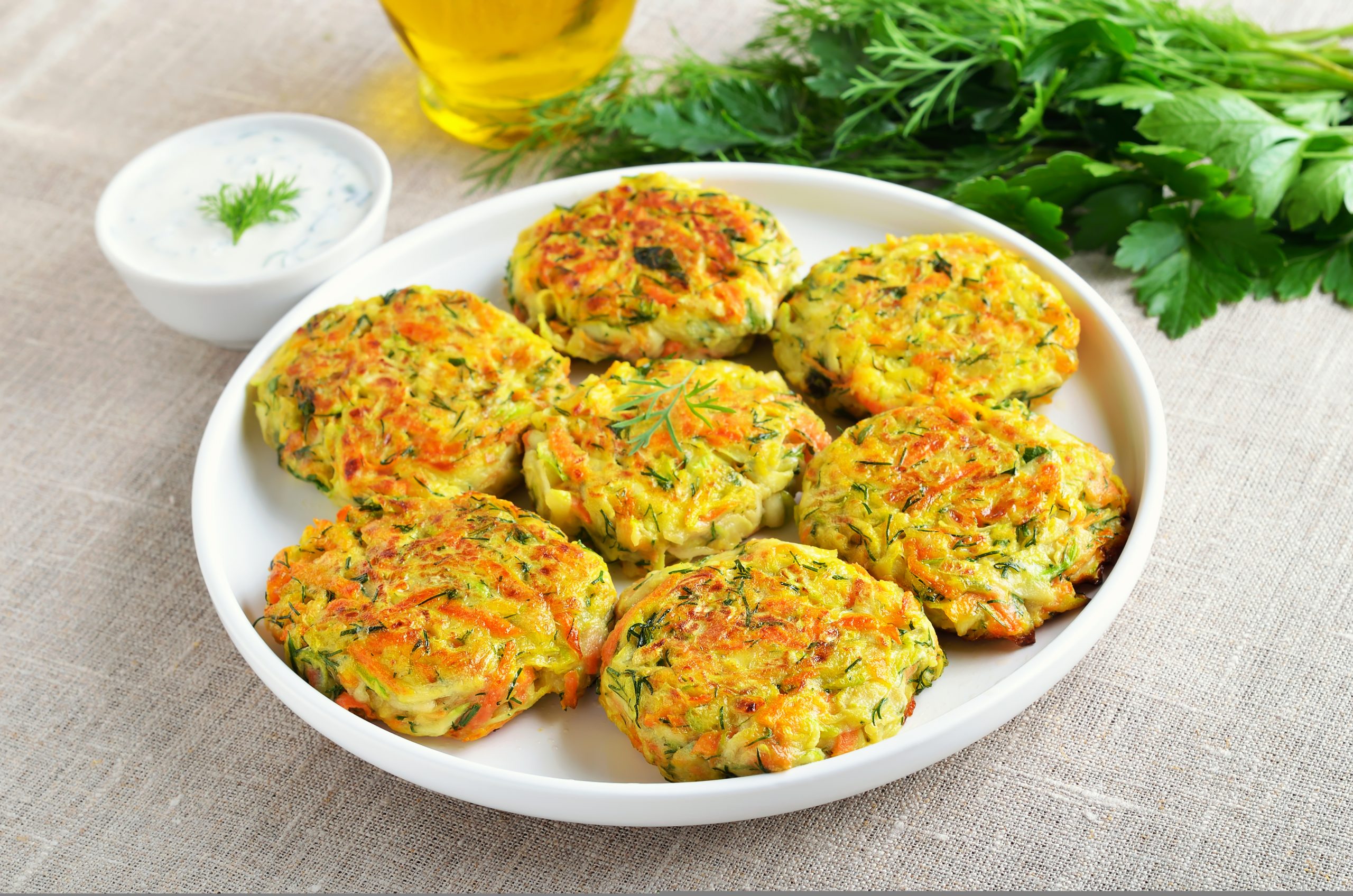
Wondering how to increase your children’s veggie content? Look no further than this Veggie Omelette that contains zucchini, carrot and…
Breakfast Recipes Read More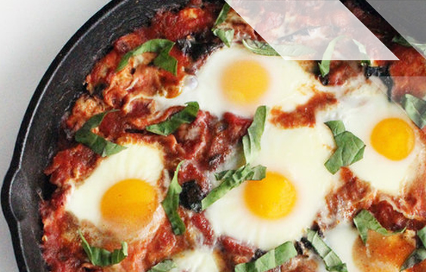
These baked eggs are sure to inspire and excite your taste buds with new flavours, taste and fragrance – especially…
Breakfast Recipes Read More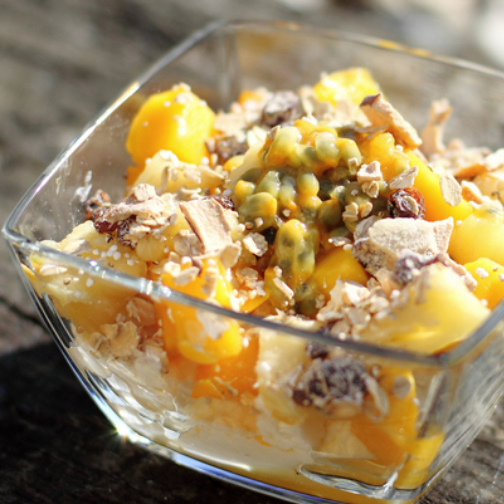
Bircher muesli is a great idea for any meal prep – particularly if you often find yourself racing out the…
Breakfast Recipes Read More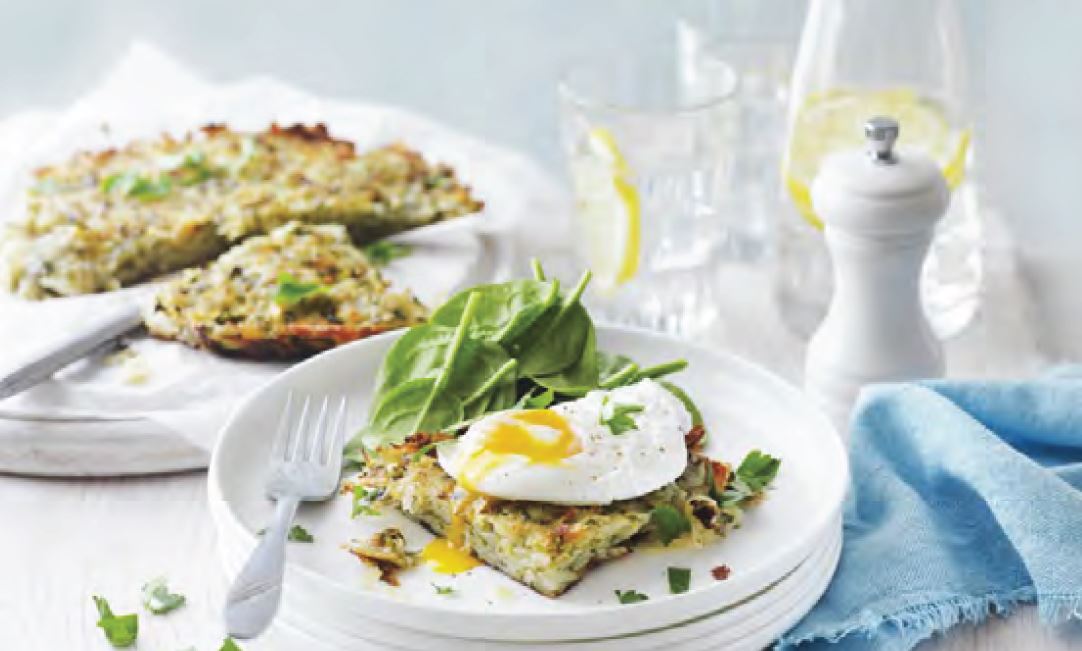
If you have some more time to prepare this recipe, it will also make for tasty left-overs, always a bonus…
Breakfast Recipes Read More
If you’re after an antioxidant rich start to the day, this summer porridge is a great breakfast choice, rich in…
Breakfast Recipes Read More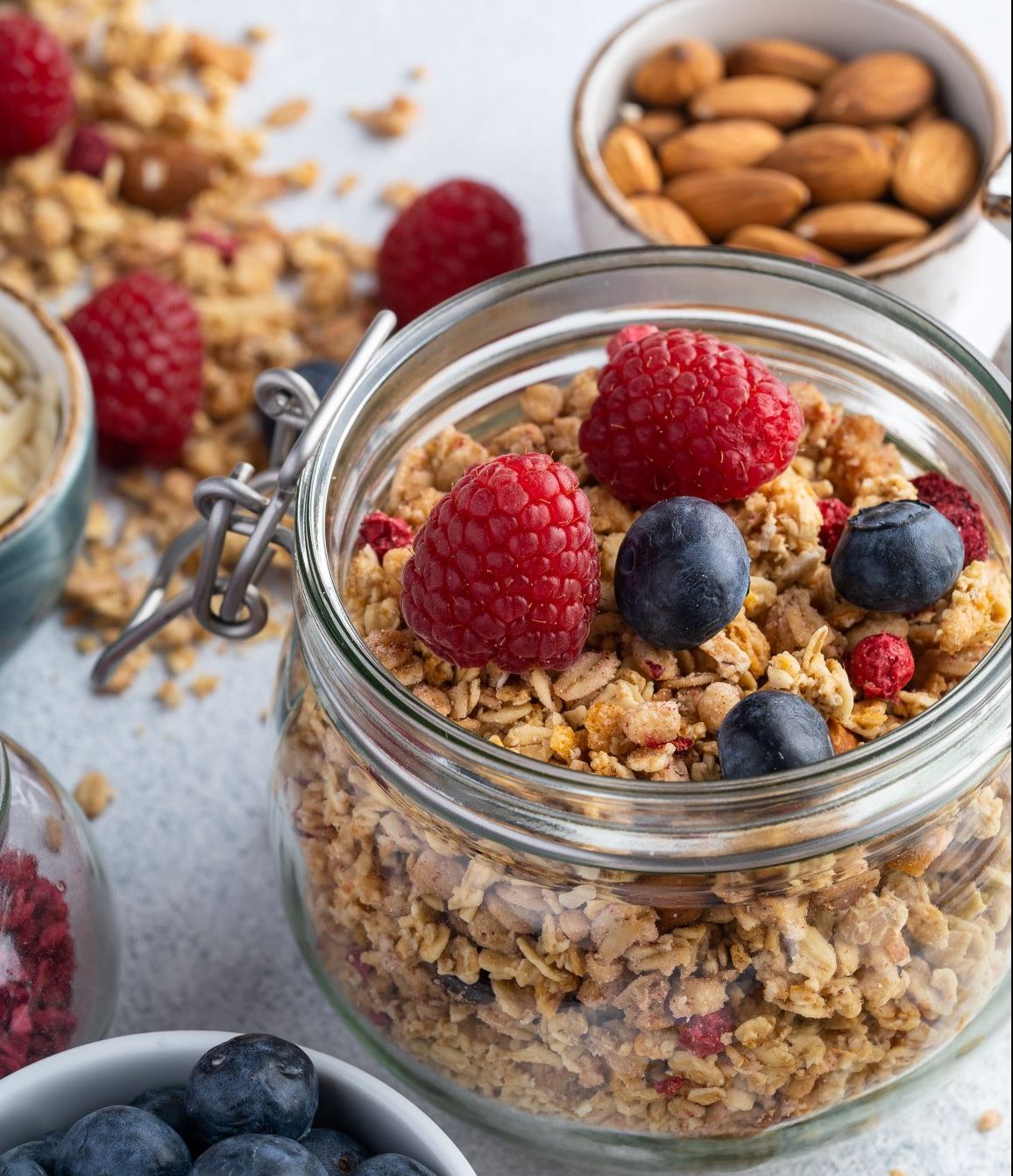
Whilst this recipe is typically low in total FODMAP content, some individuals may benefit from reducing the amount of almonds,…
Breakfast Recipes Read More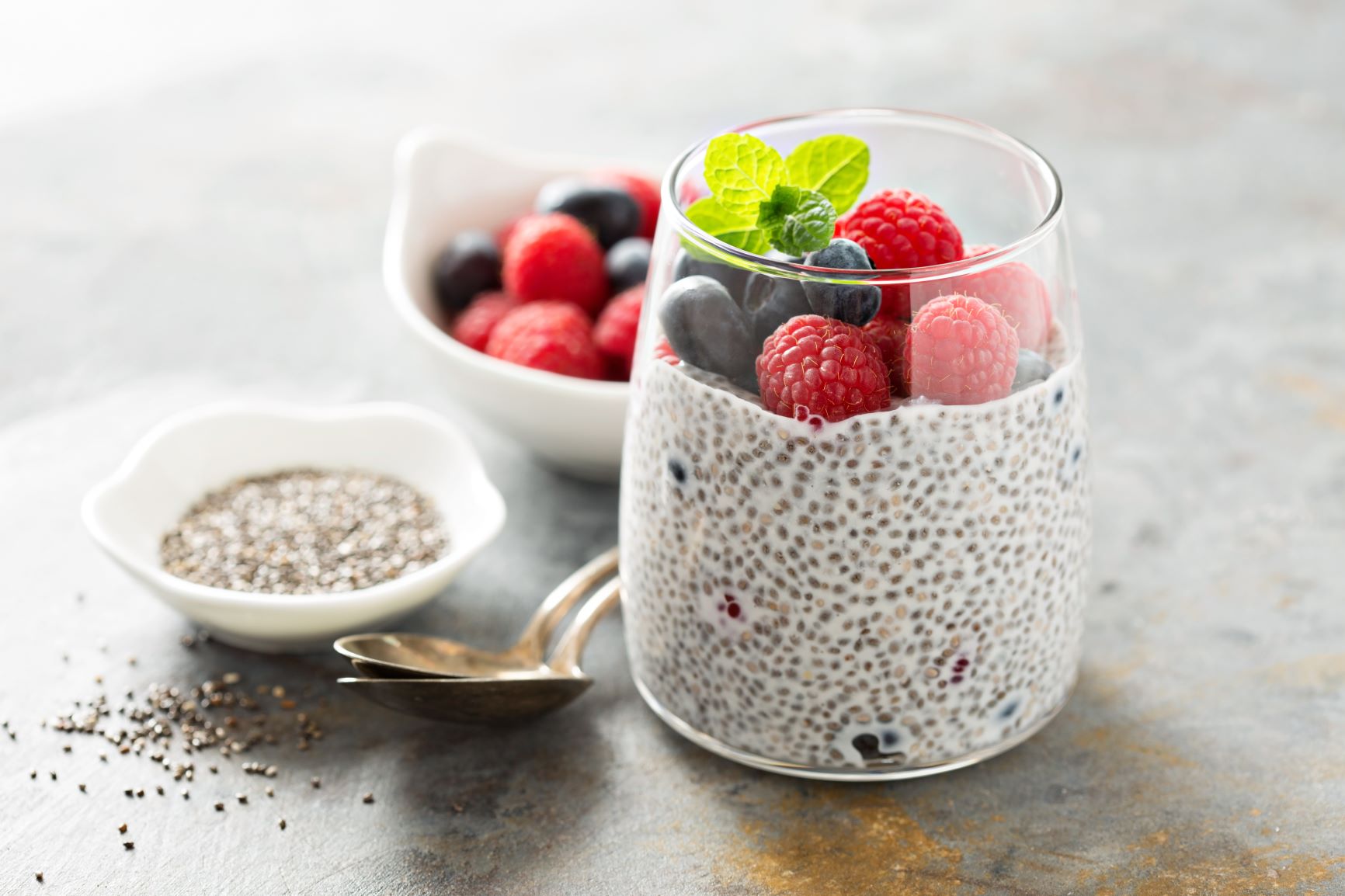
If you need a convenient, high protein breakfast or recovery meal, this delicious pudding provides just that with additional plant based protein and…
Breakfast Recipes Read More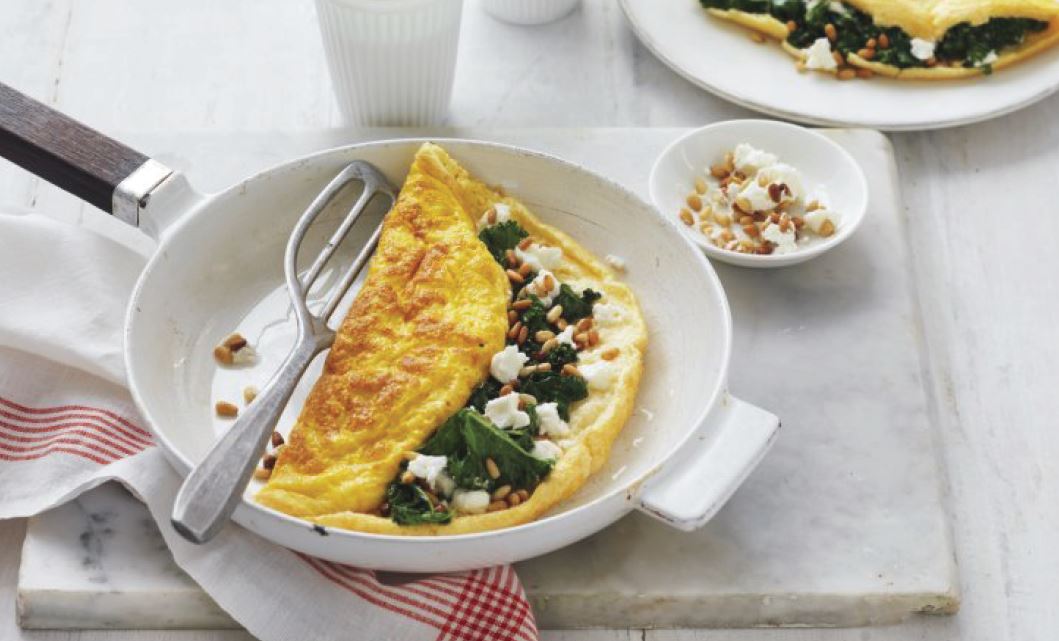
We know that ‘superfoods’ don’t really exist – but eggs are undoubtedly rich in nutrients which makes this omelette a…
Breakfast Recipes Read More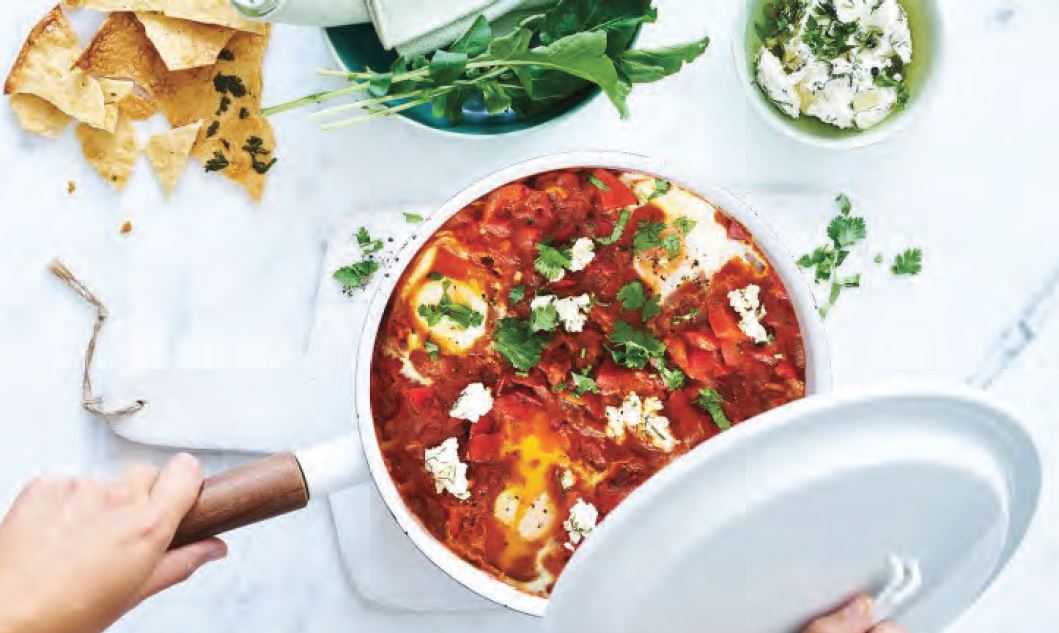
Impress your training partners with Shakshuka – shake your shakshuka! Thanks to our friends at Australian Eggs for this delicious and…
Breakfast Recipes Read More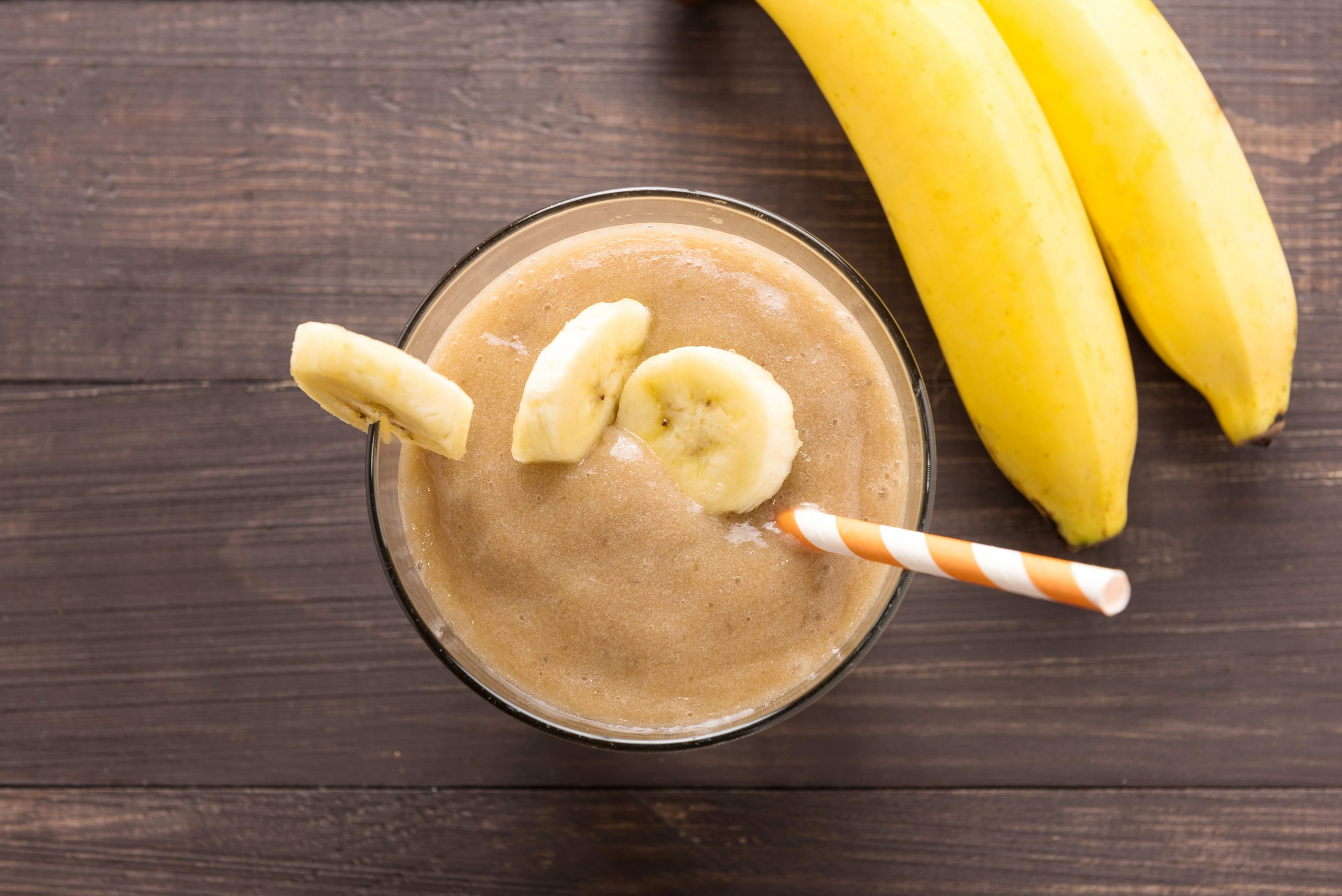
There is nothing more refreshing than a cold smoothie post exercise! Support your bone tissue with this calcium rich and…
Breakfast Recipes Read More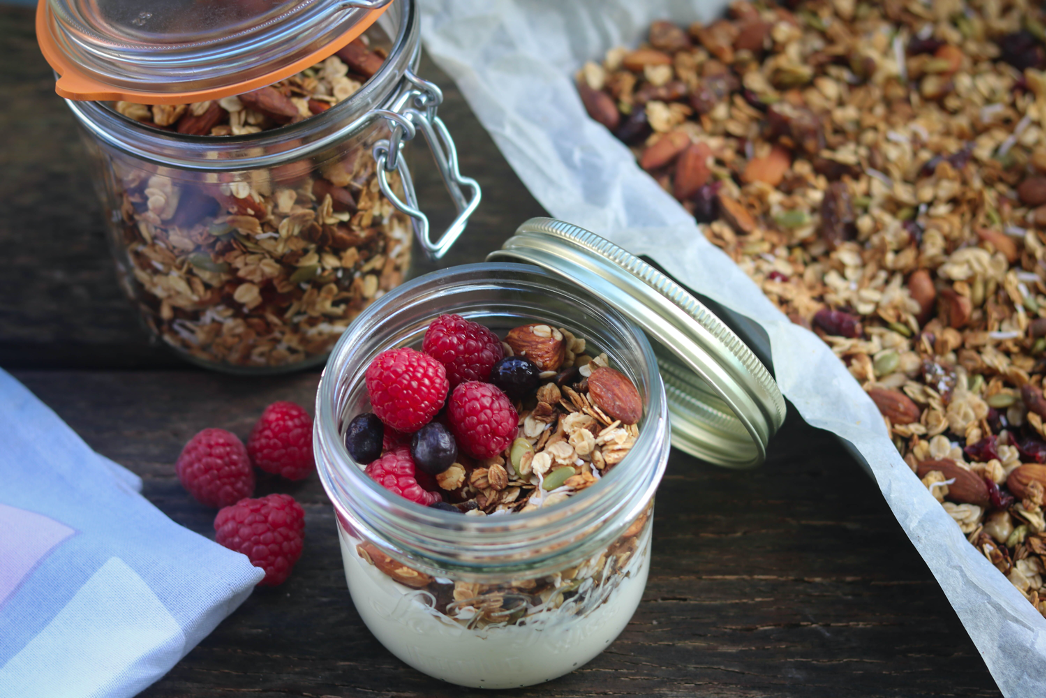
Want to make your own breakfast? Look no further and soak up the nutty, seedy goodness of this crunchy delight!…
Breakfast Recipes Read More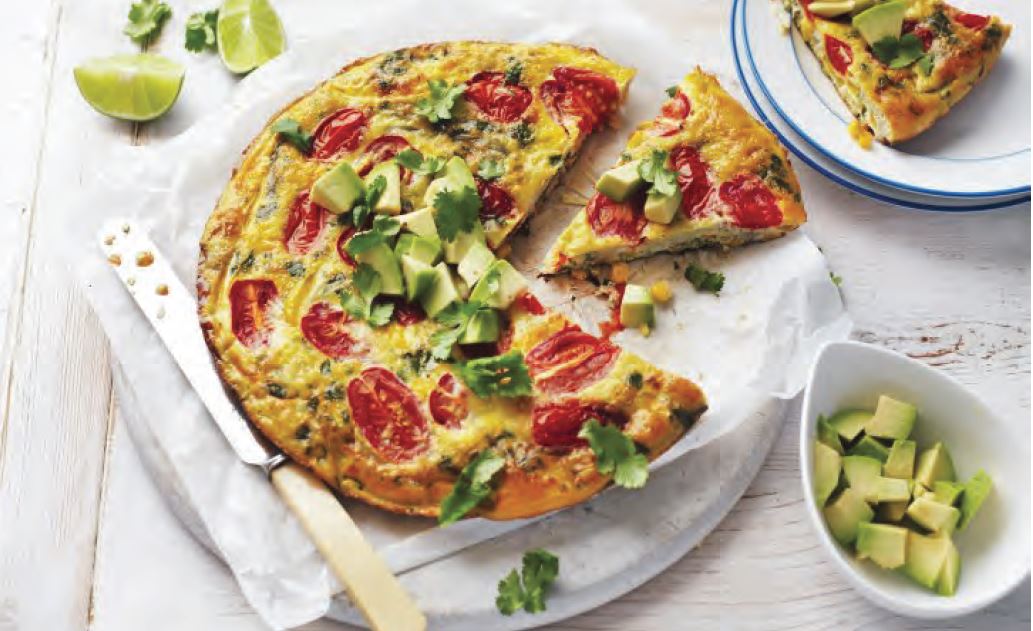
Eggs are a powerhouse of nutrients – add some whole grain or sourdough toast to boost the carbohydrate content of…
Breakfast Recipes Read More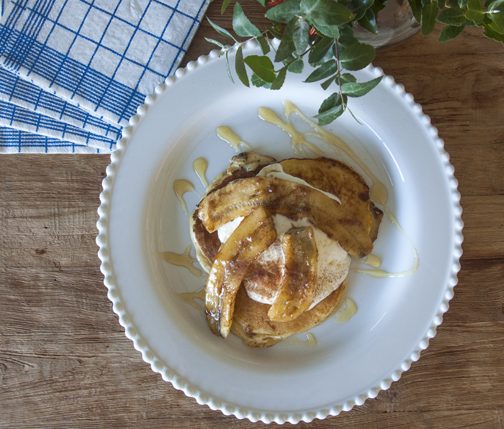
A fabulous and tasty recovery meal that is rich in carbohydrate, high in protein and a sensational source of calcium…
Breakfast Recipes Read More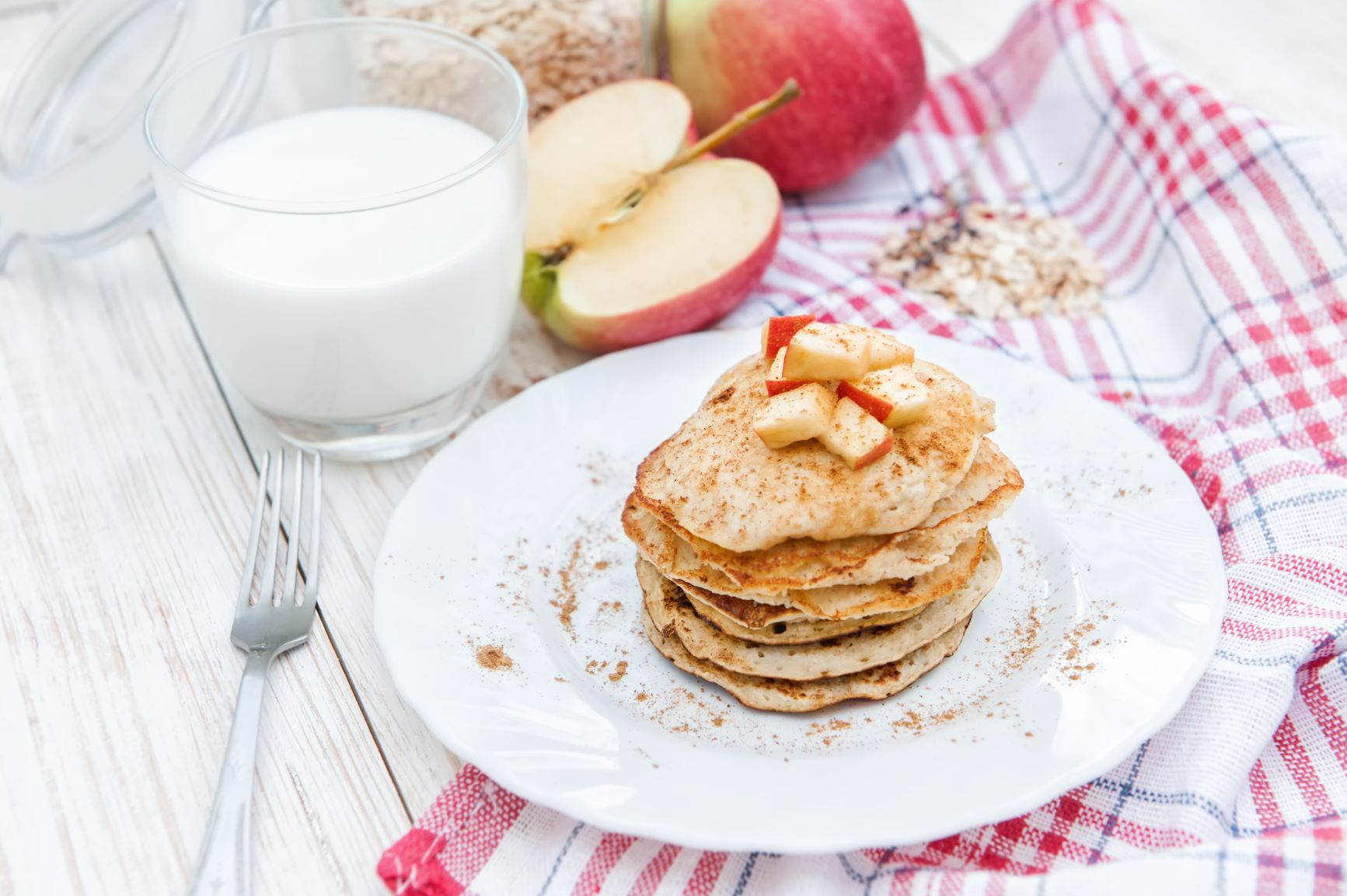
Support your health and performance with these whole grain pancakes rich in carbohydrate– choose cows or soy milk for an…
Breakfast Recipes Read More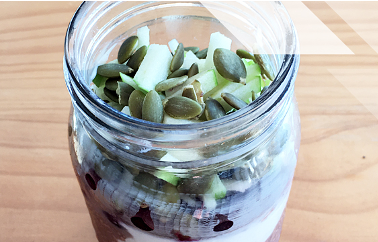
Tantalise your taste buds with this plant – based, high fat and antioxidant rich breakfast! Download the recipe below.
Breakfast Recipes Read More